
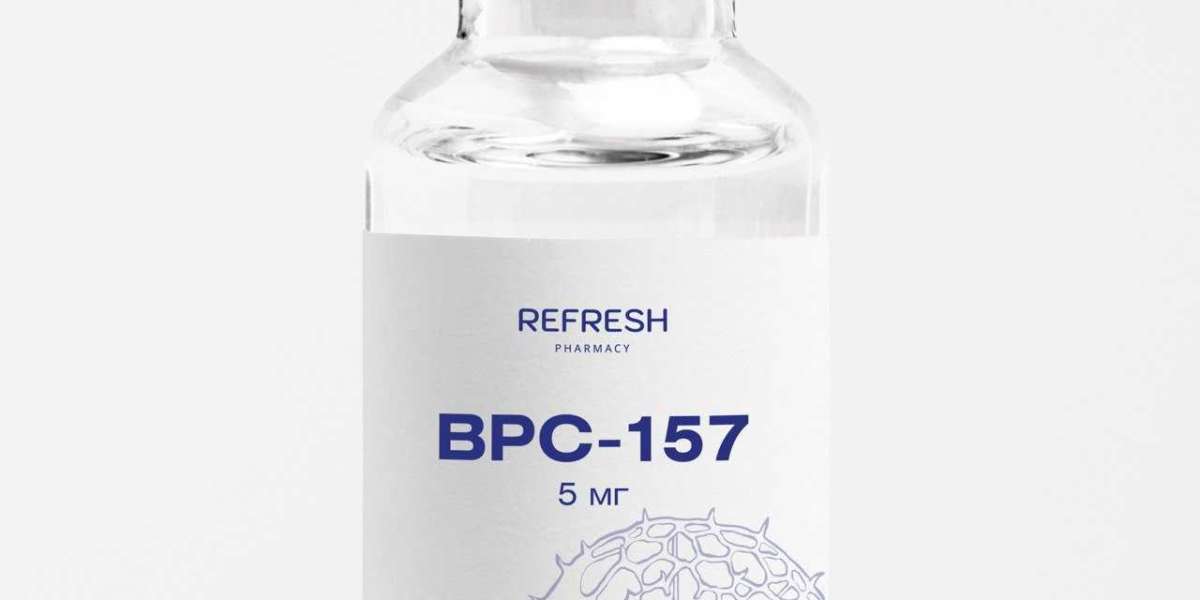
Interest in regenerative medicine and experimental peptides has grown rapidly, particularly among researchers studying tissue repair and inflammation control. One compound that frequently appears in these discussions is BPC 157, a synthetic peptide that has attracted both enthusiasm and skepticism.
Although often promoted online for its potential healing properties, its scientific status remains complex and controversial. This article explores its origins, proposed biological mechanisms, current research landscape, and the ongoing debate surrounding its use.
Origins of the Compound
The story of BPC 157 begins with research into protective proteins found in human gastric juice. Scientists identified a stable fragment derived from a naturally occurring protein sequence in the stomach that appeared to play a role in protecting the gastrointestinal tract. From this observation, researchers synthesized a pentadecapeptide (a chain of 15 amino acids) designed to mimic these protective effects.
Early laboratory work suggested that this peptide could survive harsh environments, including exposure to digestive enzymes, which made it particularly interesting for further study. Unlike many naturally derived compounds that degrade quickly, BPC 157 showed unusual stability, allowing it to be tested in various experimental models. This durability became one of its defining characteristics and helped fuel early scientific curiosity.
Proposed Biological Mechanisms
Much of the interest surrounding this peptide comes from animal studies investigating its potential effects on tissue repair. Researchers have observed that it may influence several biological systems at once, rather than acting on a single pathway.
One proposed mechanism involves angiogenesis, the formation of new blood vessels. Improved blood flow to damaged tissues is a key factor in healing, and laboratory studies suggest that BPC 157 may promote this process. It has also been linked to the modulation of growth factors, which are signaling molecules involved in cell repair and regeneration.
Another area of interest is its interaction with the nitric oxide system, which plays a role in vascular function and inflammation regulation. Some studies indicate that it may help balance nitric oxide levels, potentially contributing to reduced inflammation and improved tissue recovery.
Additionally, research in animals has explored its effects on tendons, ligaments, and even nerve tissue, with some reports suggesting accelerated healing in controlled experimental settings.
Despite these findings, it is important to note that most evidence comes from preclinical research rather than large-scale human trials. This distinction is central to understanding the current scientific debate.
Scientific Research and Limitations
While early studies appear promising, the scientific community remains cautious. The majority of data on BPC comes from animal experiments, including rodent and in vitro models. These studies often show positive outcomes in wound healing, muscle repair, and gastrointestinal protection, but translating these results to humans is not straightforward.
One major limitation is the lack of robust clinical trials. Without randomized, controlled human studies, it is difficult to determine effective dosing, safety profiles, or long-term effects. This gap in research is one of the primary reasons regulatory agencies have not approved it as a medical treatment.
Another issue is variability in study design. Different experiments use different administration methods, injury models, and evaluation metrics, making it challenging to compare results consistently. While some findings are compelling, they do not yet form a unified clinical consensus.
Medical and Athletic Interest
Despite limited clinical approval, 157 has gained attention in both medical-adjacent and athletic communities. Some individuals explore it in hopes of recovering from tendon injuries, muscle strains, or gastrointestinal conditions. However, these uses are not supported by regulatory approval in most countries, and safety in humans has not been firmly established.
In sports, concerns have also emerged regarding its potential use as a performance or recovery enhancer. The World Anti-Doping Agency (WADA) has included it on its list of prohibited substances due to its potential regenerative effects and lack of approved medical indication. This classification highlights the uncertainty surrounding its impact on performance and recovery.
Safety Considerations and Unknowns
Because human data is limited, the safety profile of BPC remains incomplete. Animal studies generally report low toxicity, but this does not guarantee similar outcomes in humans. Unknowns include long-term immune responses, interactions with other biological systems, and potential effects on abnormal tissue growth.
Another concern is the lack of standardized manufacturing and regulation in unapproved markets. Products labeled as research peptides may vary significantly in purity and concentration, which introduces additional risk. Without pharmaceutical oversight, consistency cannot be assured.
The Ongoing Debate
The scientific and medical communities remain divided on how to interpret the existing evidence. Supporters of further research argue that early findings justify more rigorous clinical trials, especially given the peptide’s apparent effects on multiple healing pathways. They view it as a potentially valuable tool in regenerative medicine if properly studied.
Skeptics, however, emphasize the absence of human evidence and caution against premature enthusiasm. They argue that many compounds show promising results in animal studies but fail to translate into safe or effective human therapies. In this view, BPC 157 remains an interesting but unproven experimental molecule.
This tension between optimism and caution reflects a broader challenge in biomedical science: how to responsibly evaluate compounds that show early promise without sufficient clinical validation.
Future Research Directions
If future studies are conducted, researchers will likely focus on controlled human trials to evaluate safety, dosage, and therapeutic effectiveness. Areas such as tendon healing, gastrointestinal disorders, and inflammatory conditions are often suggested as potential research targets.
Additionally, more work is needed to clarify its molecular mechanisms. Understanding exactly how it interacts with cellular signaling pathways could help determine whether its effects are consistent, reproducible, and clinically meaningful.
Until such data exists, its status will remain primarily experimental.
Conclusion
The story of BPC 157 sits at the intersection of curiosity, early scientific promise, and significant uncertainty. While preclinical studies suggest a range of potential regenerative effects, the absence of large-scale human research means its true medical value remains unconfirmed.
The ongoing debate reflects both the excitement and caution that define modern experimental therapeutics. As research continues, only rigorous clinical evidence will determine whether it becomes a validated treatment or remains an intriguing laboratory compound.

