

Among the organized chaos of medical professionals in Birmingham, a young man named James Stokes navigates his daily responsibilities with subtle confidence. His polished footwear barely make a sound as he greets colleagues—some by name, others with the familiar currency of a "hello there."
James displays his credentials not merely as a security requirement but as a testament of belonging. It hangs against a well-maintained uniform that offers no clue of the challenging road that preceded his arrival.
What sets apart James from many of his colleagues is not visible on the surface. His demeanor gives away nothing of the fact that he was among the first recruits of the NHS Universal Family Programme—an undertaking crafted intentionally for young people who have been through the care system.
"The Programme embraced me when I needed it most," James reflects, his voice steady but carrying undertones of feeling. His remark summarizes the heart of a programme that strives to reinvent how the massive healthcare system approaches care leavers—those often overlooked young people aged 16-25 who have transitioned from the care system.
The statistics tell a troubling story. Care leavers commonly experience greater psychological challenges, financial instability, accommodation difficulties, and diminished educational achievements compared to their peers. Behind these clinical numbers are human stories of young people who have traversed a system that, despite good efforts, frequently fails in providing the nurturing environment that forms most young lives.
The NHS Universal Family Programme, launched in January 2023 following NHS England's pledge to the Care Leaver Covenant, represents a substantial transformation in organizational perspective. At its core, it recognizes that the entire state and civil society should function as a "universal family" for those who haven't experienced the constancy of a traditional family setting.
A select group of healthcare regions across England have led the way, establishing structures that reconceptualize how the NHS—one of Europe's largest employers—can create pathways to care leavers.
The Programme is detailed in its approach, initiating with comprehensive audits of existing practices, establishing management frameworks, and obtaining leadership support. It recognizes that effective inclusion requires more than good intentions—it demands concrete steps.
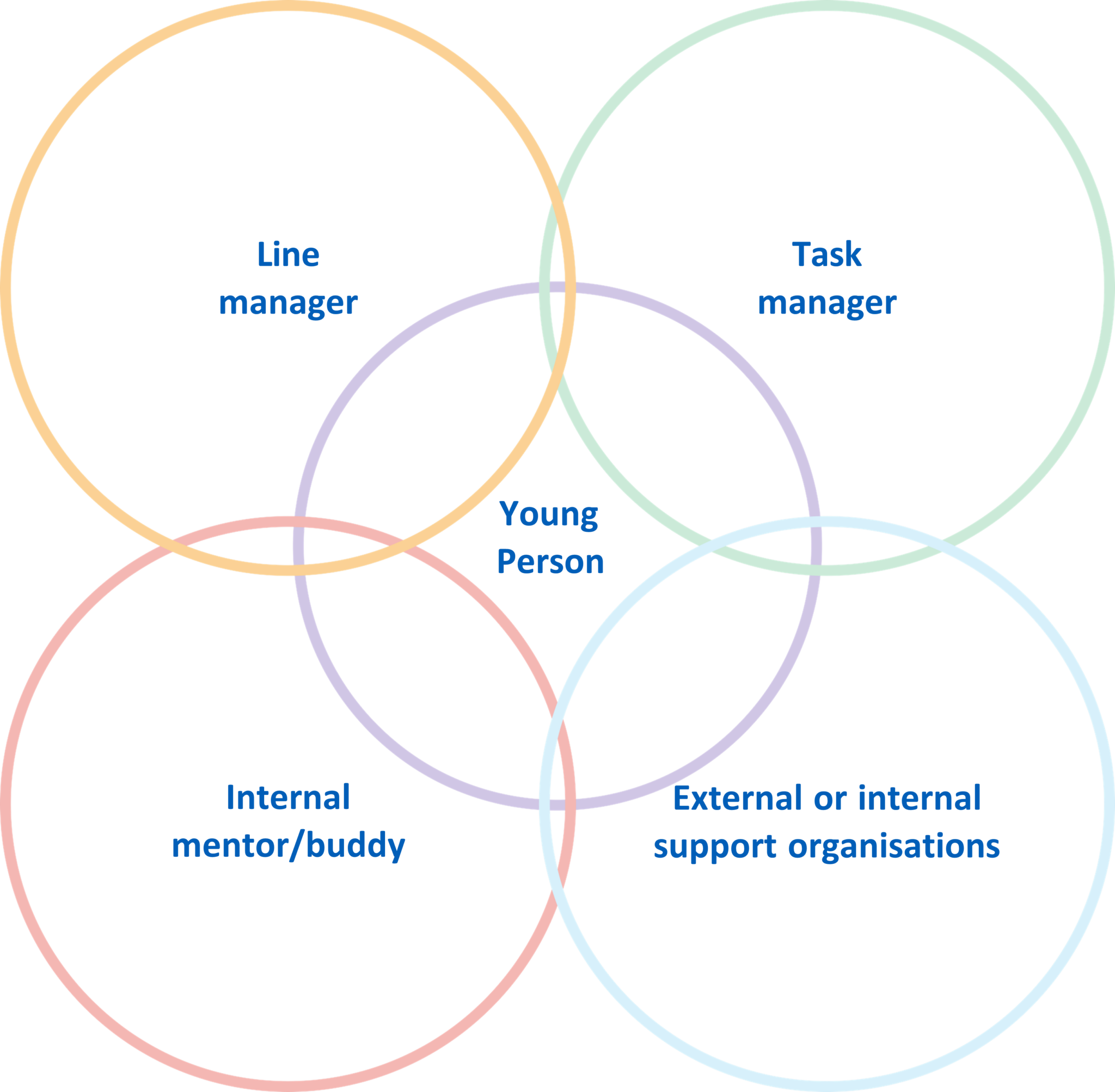
In NHS Birmingham and Solihull ICB, where James found his footing, they've developed a reliable information exchange with representatives who can provide support, advice, and guidance on personal welfare, HR matters, recruitment, and EDI initiatives.
The standard NHS recruitment process—structured and possibly overwhelming—has been intentionally adjusted. Job advertisements now emphasize attitudinal traits rather than extensive qualifications. Application procedures have been reimagined to consider the particular difficulties care leavers might experience—from missing employment history to struggling with internet access.

Perhaps most significantly, the Programme understands that entering the workforce can present unique challenges for care leavers who may be managing independent living without the backup of familial aid. Issues like commuting fees, proper ID, and bank accounts—considered standard by many—can become major obstacles.
The beauty of the Programme lies in its meticulous consideration—from clarifying salary details to offering travel loans until that essential first salary payment. Even ostensibly trivial elements like break times and workplace conduct are deliberately addressed.
For James, whose career trajectory has "transformed" his life, the Programme offered more than employment. It provided him a feeling of connection—that elusive quality that grows when someone is appreciated not despite their background but because their particular journey improves the institution.
"Working for the NHS isn't just about doctors and nurses," James observes, his expression revealing the quiet pride of someone who has found his place. "It's about a family of different jobs and roles, a group of people who genuinely care."
The NHS Universal Family Programme represents more than an work program. It exists as a bold declaration that organizations can change to welcome those who have navigated different paths. In doing so, they not only transform individual lives but enrich themselves through the special insights that care leavers contribute.
As James navigates his workplace, his presence subtly proves that with the right support, care leavers can flourish in environments once considered beyond reach. The arm that the NHS has provided through this Programme represents not charity but appreciation of untapped potential and the essential fact that all people merit a community that supports their growth.