
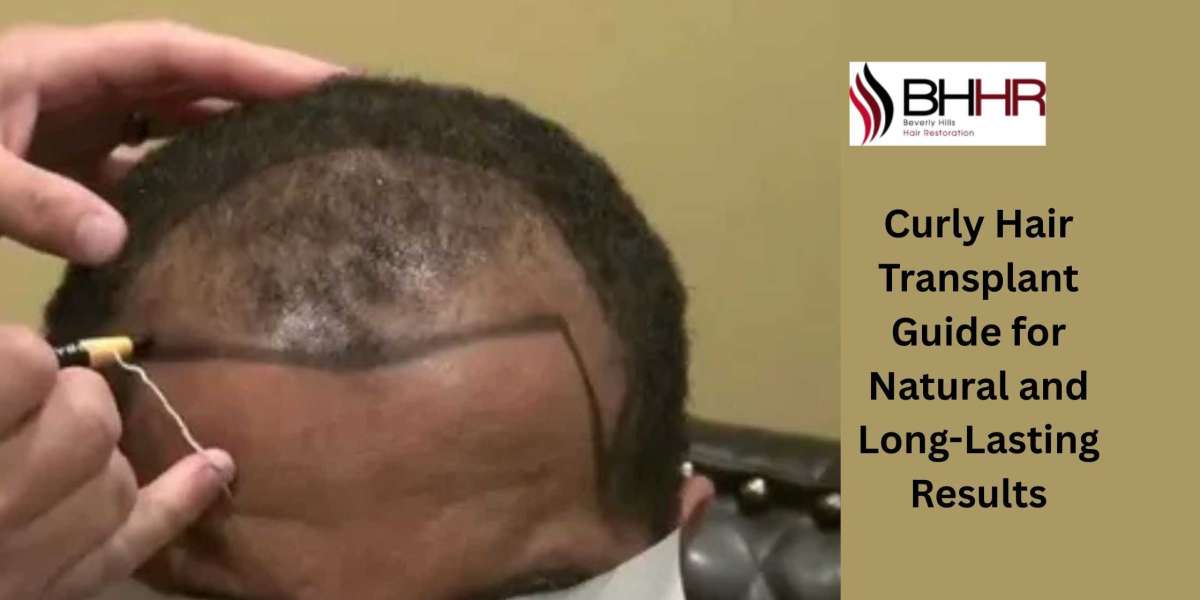
Hair restoration is not a one-size-fits-all solution. Patients with textured or tightly coiled hair often require a more specialized approach to achieve natural-looking outcomes. A curly hair transplant involves unique techniques designed to preserve the natural curl pattern while restoring density and shape. Because curly hair follicles grow in curved paths beneath the scalp, the extraction and implantation process demands advanced precision and experience.
For many individuals experiencing thinning edges, traction alopecia, or pattern hair loss, restoring textured hair can dramatically improve confidence and appearance. However, achieving natural and long-lasting results depends heavily on technique, planning, and artistic design. Understanding how this specialized procedure works is the first step toward making an informed and confident decision about your hair restoration journey.
What Is a Curly Hair Transplant?
A curly hair transplant is a specialized hair restoration procedure tailored to patients with naturally curly, coiled, or textured hair. Unlike straight hair follicles, curly follicles curve beneath the scalp, which makes harvesting and placement more complex. Surgeons must carefully extract each follicle without damaging its structure to maintain the natural curl pattern after implantation.
The procedure typically uses advanced Follicular Unit Extraction (FUE) methods, modified specifically for textured hair. Each graft is strategically placed to recreate natural density and flow. When performed correctly, the results blend seamlessly with existing hair, maintaining both curl integrity and direction.
The goal is not only to restore lost hair but also to preserve the unique characteristics that make curly hair beautiful. Precision and expertise are essential to ensure long-term growth and authentic results.
Unique Challenges of Curly Hair Restoration
Textured hair presents distinct surgical challenges that require specialized skill. The curvature of each follicle below the skin increases the risk of transection, or cutting the follicle during extraction. If not handled properly, this can reduce graft survival rates and affect final results.
Additionally, curly hair creates volume differently than straight hair. Because it coils and expands outward, fewer grafts may be needed to achieve visual fullness. However, placement angles must be carefully designed to maintain a natural hairline and density pattern.
Scalp characteristics, previous hair treatments, and traction-related damage can also influence surgical planning. A successful curly hair transplant requires an individualized approach that respects both the biological structure of textured hair and the patient’s aesthetic goals. Expertise in textured restoration is key to overcoming these unique challenges safely and effectively.
Techniques Used for Natural Results
Achieving natural outcomes depends on advanced techniques and meticulous handling of each graft. Modified FUE tools are often used to accommodate curved follicles and reduce trauma during extraction. The surgeon must follow the natural growth pattern beneath the scalp rather than assuming a straight path.
During implantation, attention to angle, direction, and spacing ensures the restored hair blends seamlessly with surrounding strands. Hairline design is particularly important, as curly hairlines often have softer, more irregular shapes compared to straight hair patterns.
Proper graft storage and hydration during surgery also support long-term survival and healthy regrowth. When performed by an experienced specialist, a curly hair transplant can restore both density and definition while maintaining the authenticity of the patient’s natural curl pattern.
Who Is a Good Candidate?
Ideal candidates for textured hair restoration include individuals experiencing traction alopecia, thinning edges, receding hairlines, or genetic hair loss. Patients should have a stable donor area with healthy follicles suitable for extraction. A thorough consultation is necessary to assess scalp health, curl pattern, and hair density.
Candidates should also have realistic expectations about growth timelines and results. Transplanted hair typically sheds within the first few weeks
A personalized treatment plan ensures that density goals align with the available donor supply. With proper evaluation and planning, patients can achieve balanced, natural-looking fullness that enhances their overall appearance and confidence.
Recovery and Long-Term Results
Recovery after textured hair restoration is generally manageable, though it may vary depending on the individual. Mild swelling, redness, or scabbing around implanted areas is common during the first week. Following post-procedure instructions carefully supports healing and graft survival.
Patients are typically advised to avoid strenuous activity for several days and to follow gentle washing techniques to protect new grafts. Within a few months, new growth begins to emerge, gradually blending with existing hair.
One of the advantages of this procedure is that transplanted follicles are resistant to future hair loss in most cases. When performed correctly, results are permanent and continue to grow naturally. The key to long-lasting success lies in expert technique and comprehensive aftercare.
Why Choosing the Right Clinic Matters
Selecting an experienced clinic significantly impacts your outcome. Textured hair restoration requires a deep understanding of curl patterns, follicle structure, and aesthetic design. At BHHR (Beverly Hills Hair Restoration), specialists are experienced in advanced textured restoration techniques tailored to each patient’s unique hair type.
Through personalized consultations and precise surgical methods, the team focuses on delivering natural density while preserving curl integrity. Expertise in handling curved follicles helps minimize graft damage and optimize growth.
Choosing a provider skilled in textured hair procedures reduces complications and enhances overall satisfaction. Trusting specialists who understand the artistry and science behind curly hair restoration ensures results that look authentic and last for years.
Conclusion: Achieving Natural and Lasting Confidence
Restoring textured hair requires more than standard techniques. A carefully planned and expertly executed procedure can recreate natural density while preserving the unique beauty of curls. From understanding follicle structure to designing a natural hairline, every detail plays a role in long-term success.
If you are considering hair restoration, choosing a clinic experienced in textured techniques can make all the difference. With proper planning, realistic expectations, and skilled surgical care, you can achieve fuller, natural-looking hair that grows confidently for years to come.


