
Gold coins have captivated the human imagination for centuries, serving not only as a medium of exchange but also as symbols of wealth, power, and artistry. From ancient civilizations to modern investment portfolios, the story of gold coins is a fascinating narrative of economics, culture, and human aspiration.
The history of gold coins dates back to around 600 BC when the Lydians, an ancient civilization located in what is now Turkey, minted the first standardized gold coins. These coins were made from electrum, a naturally occurring alloy of gold and silver, and featured images that conveyed authority and legitimacy. The introduction of coinage revolutionized trade, providing a reliable and efficient means of conducting transactions. The use of gold coins quickly spread across the Mediterranean, with various cultures adapting the concept to their own needs and aesthetics.
Throughout history, gold coins have been associated with some of the most powerful empires. The Roman Empire, for example, produced the aureus, a gold coin that became a standard of wealth and prestige. The Byzantine Empire continued this tradition with the solidus, which remained in circulation for over a thousand years. Gold coins often featured portraits of emperors and deities, reinforcing the connection between wealth and divine right. The artistry involved in minting these coins is a testament to the skill of ancient artisans, with intricate designs that tell stories of the societies that produced them.
As trade routes expanded during the Middle Ages, gold coins became essential for commerce. The Venetian ducat and the English noble emerged as important currencies in Europe, facilitating trade across borders. Gold coins were not only used for transactions but also as a store of value, often hoarded by wealthy individuals and institutions. The allure of gold as a safe haven during times of economic uncertainty has persisted throughout history, with coins serving as a tangible asset that retains intrinsic value.
The discovery of the New World in the late 15th century brought a new influx of gold into Europe, leading to the minting of coins such as the Spanish doubloon. This period marked a significant shift in the global economy, as gold became a key driver of wealth and power for European nations. The Age of Exploration and colonization was fueled by the quest for gold, with explorers risking their lives in search of new sources of this precious metal.
In the modern era, gold coins have taken on new significance as both collectibles and investment vehicles. The rise of numismatics, the study and collection of coins, has turned gold coins into prized possessions for collectors around the world. Rare coins, such as the 1933 Saint-Gaudens double eagle, have fetched millions at auction, demonstrating the intersection of history, art, and investment.
Investing in gold coins offers a unique opportunity for individuals seeking to diversify their portfolios. Unlike paper currency, which can be subject to inflation and devaluation, gold has historically maintained its value over time. Investors often turn to gold coins as a hedge against economic instability, currency fluctuations, and geopolitical tensions. The tangible nature of gold coins, combined with their historical significance, makes them an appealing option for those looking to safeguard their wealth.
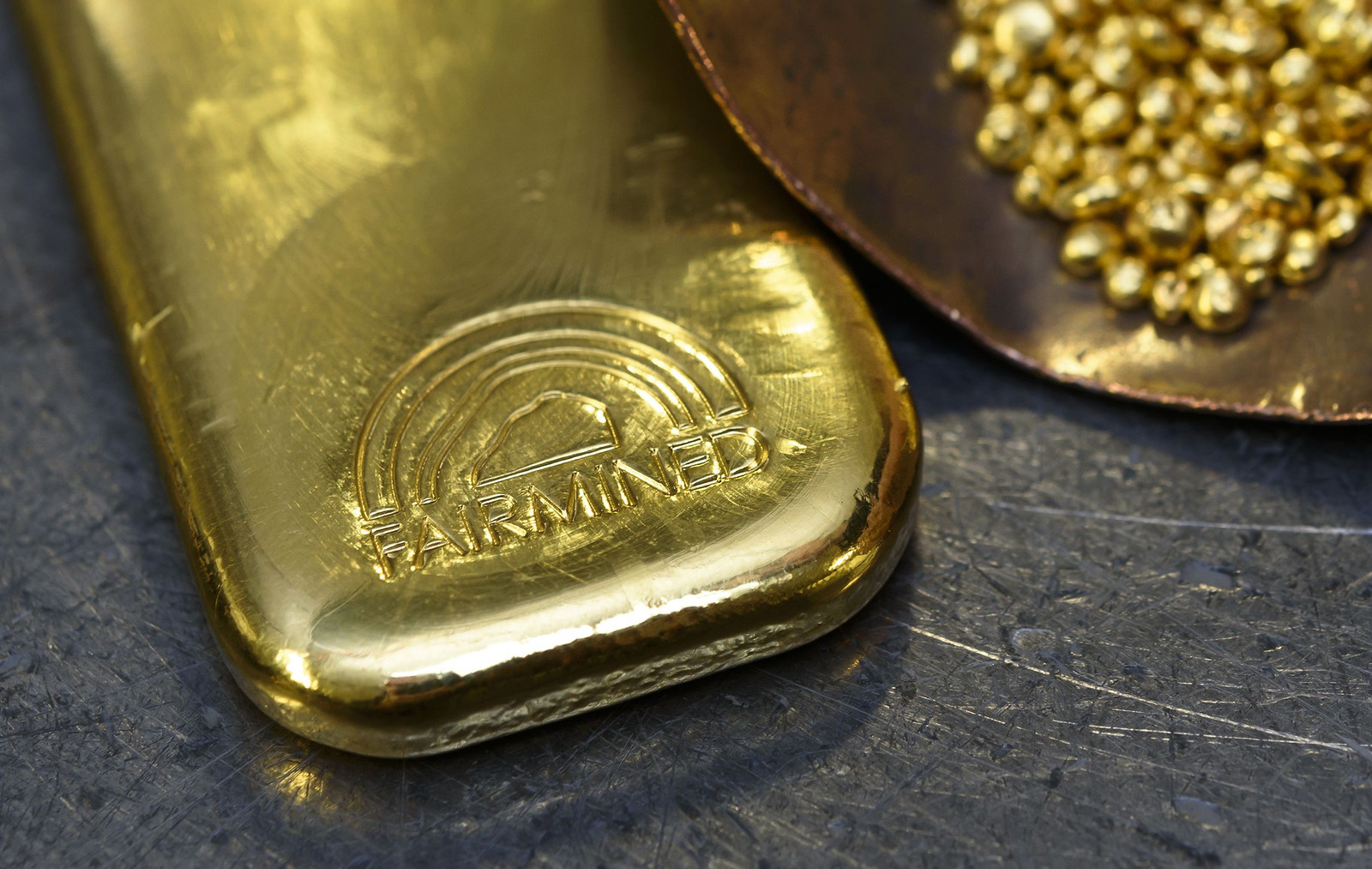
The market for gold coins has evolved significantly in recent years, with the advent of online platforms and global trade networks making it easier for investors to buy and sell. Modern mints produce a variety of gold coins, including bullion bars for sale coins like the American Gold Eagle and the Canadian Gold Maple Leaf, which are designed primarily for investment purposes. These coins are typically minted to specific weights and purities, ensuring their value is directly tied to the current market price of gold coins for sale online.
However, investing in gold coins is not without its challenges. The authenticity of coins can be difficult to verify, and the market can be influenced by factors such as supply and demand, economic conditions, and changes in investor sentiment. Additionally, buyers should be aware of potential premiums over the spot price of gold when purchasing coins, as collectors may pay more for coins with historical significance or unique features.

As we move further into the 21st century, the appeal of gold coins continues to endure. The rise of digital currencies and alternative investments has not diminished the allure of gold; rather, it has reinforced the idea that gold remains a timeless asset. For many, gold coins represent a tangible connection to history, a symbol of wealth that transcends generations.
In conclusion, gold coins are more than just currency; they are artifacts of human civilization, reflecting our values, aspirations, and the evolution of trade. In case you adored this article and also you would like to obtain more info regarding buying gold online is safe generously pay a visit to the site. From their ancient origins to their modern-day significance, gold coins tell a story of wealth, artistry, and resilience. As investors and collectors continue to seek out these precious coins, their timeless allure remains undiminished, ensuring that gold coins will continue to shine brightly in the annals of history and the world of finance.