
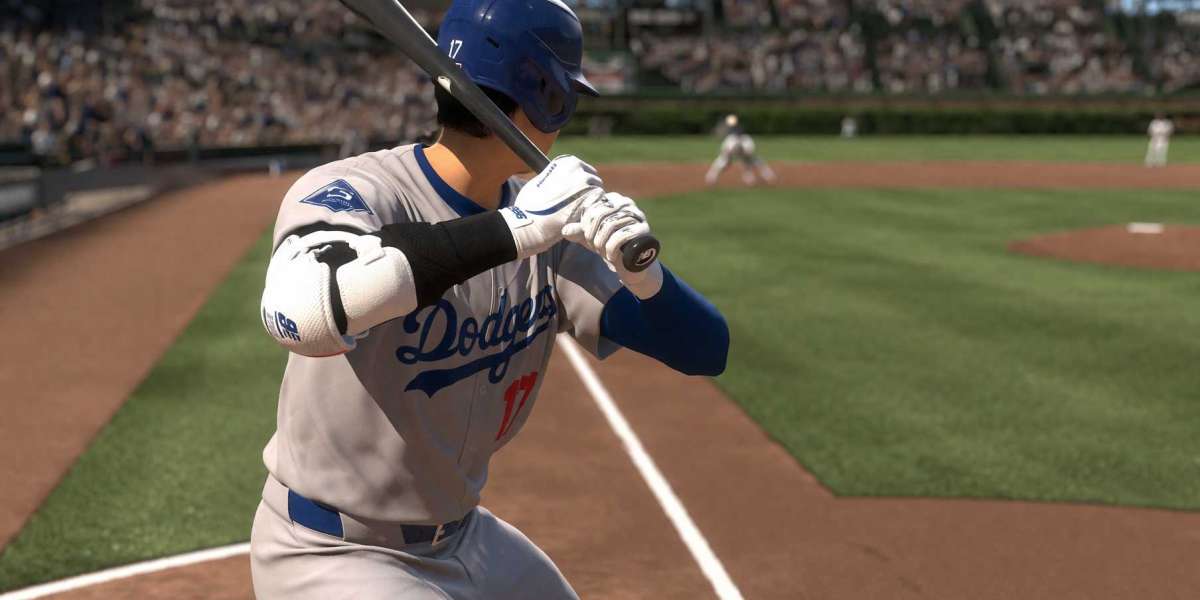
The ladder feels a bit meaner this year, and most players notice it once the easy wins dry up. You can still mash a mistake pitch, of course, but Ranked Seasons in MLB The Show 26 is much more about owning the pace of the game. That means smart at-bats, cleaner pitch plans, and a roster that doesn't panic when the starter gets tired. Even when you're using MLB 26 stubs to improve your squad, the real jump comes from playing with a plan instead of just reacting.
Make the pitcher work
A lot of hitters give away outs before the at-bat has even started. They see a fastball near the zone and swing because, well, it looks hittable. Better opponents love that. They'll live on early-count sinkers, sliders off the plate, and cutters just far enough inside to jam you. Take a few pitches in the first couple of innings. Not forever. Just enough to learn the pattern. Does he throw slider away when he's ahead? Does he sneak a high fastball in 2-0 counts? Once you know that, the game slows down a little. You don't need to cover every inch. Pick a speed, pick a lane, and make him come to you.
Keep your screen simple
PCI settings are one of those things people argue about, but the boring answer is usually right: use what lets you see the ball. If your PCI is bright, busy, or sitting right over the pitch too much, you're making hitting harder than it has to be. Plenty of strong players go with a simple inner PCI, lower opacity, and fewer moving parts. That doesn't mean you should copy a streamer's setup and expect magic. Spend a few games testing it. If you're late on sinkers or losing sliders out of the hand, your visual setup might be part of the problem.
Pitch with memory, not hope
Good pitching isn't just choosing the nastiest pitch in the menu. It's remembering what the hitter has already seen. A sinker inside only works if the batter has a reason to protect that side. A slider away is better after you've shown something hard on the hands. The strongest pitch mixes right now usually have some blend of sinker, cutter, slider, changeup, sweeper, or a hard four-seamer. But don't fall in love with one sequence. If you throw high heat after every low changeup, a decent hitter will sit on it by the fifth. Miss off the plate sometimes on purpose. Make them prove they'll take it.
Win the late innings before they arrive
The bullpen is where a lot of close games quietly turn. People leave starters in because they're trying to save arms, then suddenly two singles and a wall-scraper have flipped the score. If your opponent is taking better swings the second time through, get someone warm. Use matchups, but don't be robotic about it. Your best reliever might need to face the heart of the order in the seventh, not stand around waiting for a clean ninth. Defense matters here too. A slow corner outfielder or shaky shortstop can turn a manageable inning into a mess. Build a bench and bullpen that can handle ugly games, not just perfect ones.
Build for boring wins
The flashiest lineup doesn't always climb the fastest. You need some power, sure, but you also need contact bats, speed off the bench, steady gloves up the middle, and relievers who give different looks. That balance matters when the ball isn't flying or when your timing feels a touch off. If you're upgrading through packs, rewards, or looking to buy cheap MLB 26 stubs for roster help, think about the holes that actually cost you games. Chasing less, repeating fewer pitches, and making earlier adjustments will win more often than waiting for one huge swing.