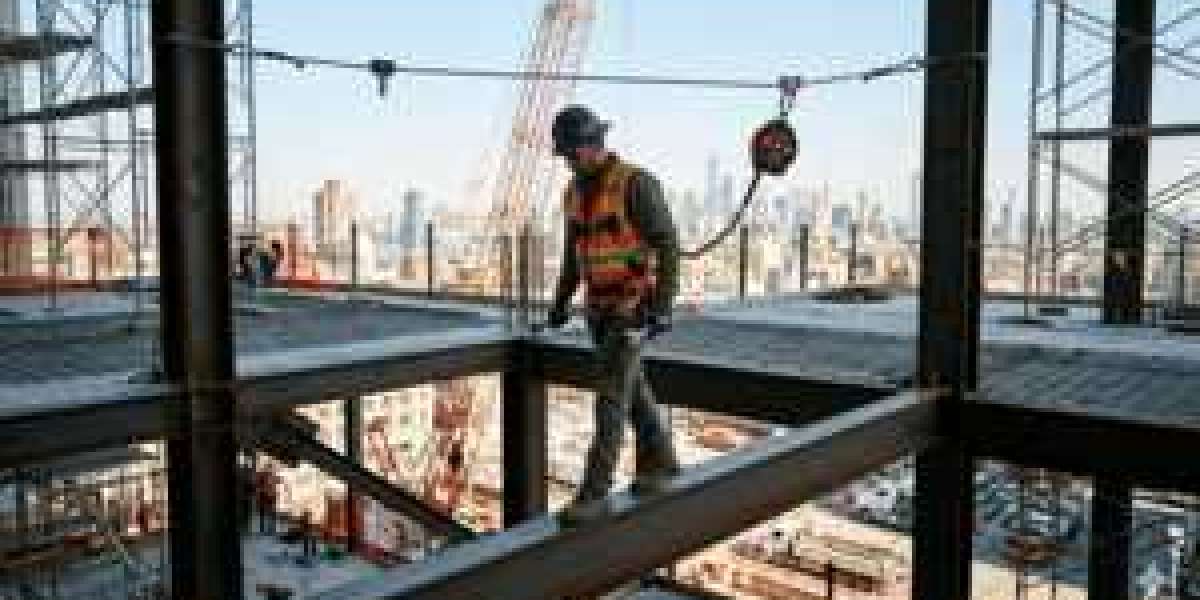
Working at heights remains one of the most hazardous activities across construction, maintenance, and industrial environments. Every year, workplace falls contribute to serious injuries, costly downtime, and regulatory violations. As organizations continue to prioritize worker safety, implementing effective fall prevention measures has become more important than ever. Among the most practical and efficient solutions available today is the Warning line system, a critical safety measure designed to create clear visual boundaries and reduce the risk of accidental falls.
Whether workers are performing roofing installations, inspections, repairs, or maintenance tasks, having a clearly designated safe work zone can significantly improve site safety. A properly installed warning line system helps workers identify hazardous roof edges while maintaining productivity and compliance with workplace safety standards.
What Is a Warning Line System?
A warning line system is a passive fall protection solution that consists of ropes, wires, chains, or other highly visible barriers supported by stanchions. These systems are installed around designated work areas to alert workers when they are approaching potentially dangerous roof edges or elevated surfaces.
Unlike active protection methods that require workers to wear harnesses and connect to anchor points, warning line systems provide a visible reminder of hazardous areas. This makes them particularly useful for low-slope roofing projects and maintenance activities where workers need flexibility and mobility.
The system serves as the first line of defense by creating awareness and encouraging workers to remain within safe working zones.
The Importance of Fall Prevention on Rooftops
Falls from elevated work surfaces remain one of the leading causes of workplace injuries. Rooftop environments often present unique challenges, including limited visibility, changing weather conditions, and multiple work crews operating simultaneously.
A warning line system helps reduce these risks by:
Creating a clearly defined work area
Increasing worker awareness of fall hazards
Improving jobsite organization
Supporting compliance with safety regulations
Reducing the likelihood of accidental edge approaches
When workers can easily identify safe zones, they are more likely to maintain proper positioning and avoid unnecessary exposure to fall hazards.
Key Components of an Effective Warning Line System
Not all warning line systems are created equal. To maximize effectiveness, several important components should be considered.
High-Visibility Materials
Brightly colored ropes, flags, and markers ensure workers can easily identify the warning boundary from a distance. Visibility is especially important during low-light conditions or when multiple activities are occurring on the roof.
Durable Stanchions
Stanchions provide support and stability for the warning lines. Quality systems are designed to withstand harsh weather conditions while remaining secure throughout the project duration.
Easy Installation
Projects often operate under tight schedules. A system that can be installed and relocated quickly allows teams to maintain safety without disrupting workflow.
Adaptability
Different worksites require different configurations. Flexible systems can accommodate varying roof layouts, equipment locations, and work zones.
How Warning Line Systems Complement Other Fall Protection Measures
While warning line systems are highly effective, they often work best when integrated into a broader safety strategy. Depending on the nature of the project, additional safety solutions may be necessary.
For example, areas with higher fall risks may require comprehensive Fall protection systems that include guardrails, safety nets, or personal protective equipment. Combining multiple safety measures creates layered protection that addresses a wide range of workplace hazards.
Similarly, workers operating near exposed edges or performing specialized tasks may require a dedicated Fall arrest system. These systems are designed to stop a fall in progress and minimize the risk of serious injury.
By integrating multiple safety solutions, employers can create a more comprehensive and effective safety program.
Industries That Benefit from Warning Line Systems
Warning line systems are widely used across numerous industries where employees regularly work at elevated heights.
Construction
Construction projects frequently involve roofing, mechanical installations, and structural work. Warning line systems help establish safe work zones and improve site organization.
Commercial Roofing
Roofing contractors rely on warning lines to create clear boundaries around work areas while allowing crews to move efficiently throughout the project.
Facility Maintenance
Building maintenance teams often perform inspections, equipment servicing, and repairs on rooftops. Warning line systems help reduce fall risks during routine maintenance activities.
Industrial Facilities
Manufacturing plants, warehouses, and distribution centers commonly require rooftop access for HVAC maintenance and equipment inspections. Warning lines help create safer environments for maintenance personnel.
Enhancing Overall Workplace Safety
Safety is not just about meeting regulatory requirements; it is about creating a culture where workers feel protected and supported. Visible safety measures such as warning line systems demonstrate a company's commitment to employee well-being.
Organizations that invest in proactive safety solutions often experience benefits such as:
Reduced workplace accidents
Improved employee confidence
Lower insurance costs
Increased productivity
Enhanced regulatory compliance
When workers trust that safety measures are in place, they can focus more effectively on completing their tasks.
Don't Overlook Loading Dock Hazards
While rooftop safety receives significant attention, other workplace areas can also present serious risks. Loading docks are among the busiest and most dangerous locations within many facilities.
Installing a Loading dock safety gate can help prevent accidental falls from elevated loading areas while improving pedestrian safety. Similar to warning line systems, loading dock safety gates provide a physical barrier that helps protect workers from hazardous edges.
Organizations seeking a comprehensive safety strategy should evaluate all elevated work areas, including rooftops, mezzanines, platforms, and loading docks.
Choosing the Right Safety Partner
Selecting the right warning line system involves more than simply purchasing equipment. Safety professionals should consider product quality, ease of installation, durability, compliance requirements, and long-term performance.
Working with experienced safety solution providers ensures that systems are properly selected and implemented according to site-specific needs. The right partner can help organizations identify potential hazards and recommend solutions that enhance both safety and productivity.
Final Thoughts
A warning line system plays a vital role in modern workplace safety by helping workers recognize hazardous roof edges and maintain safe working distances. As part of a comprehensive safety program, warning line systems can significantly reduce fall risks while supporting regulatory compliance and operational efficiency.
When combined with advanced Fall protection systems, a reliable Fall arrest system, and protective solutions such as a Loading dock safety gate, organizations can create safer environments for employees across multiple work areas. Investing in proactive fall prevention measures today helps protect workers, reduce liabilities, and build a stronger culture of safety for the future.