
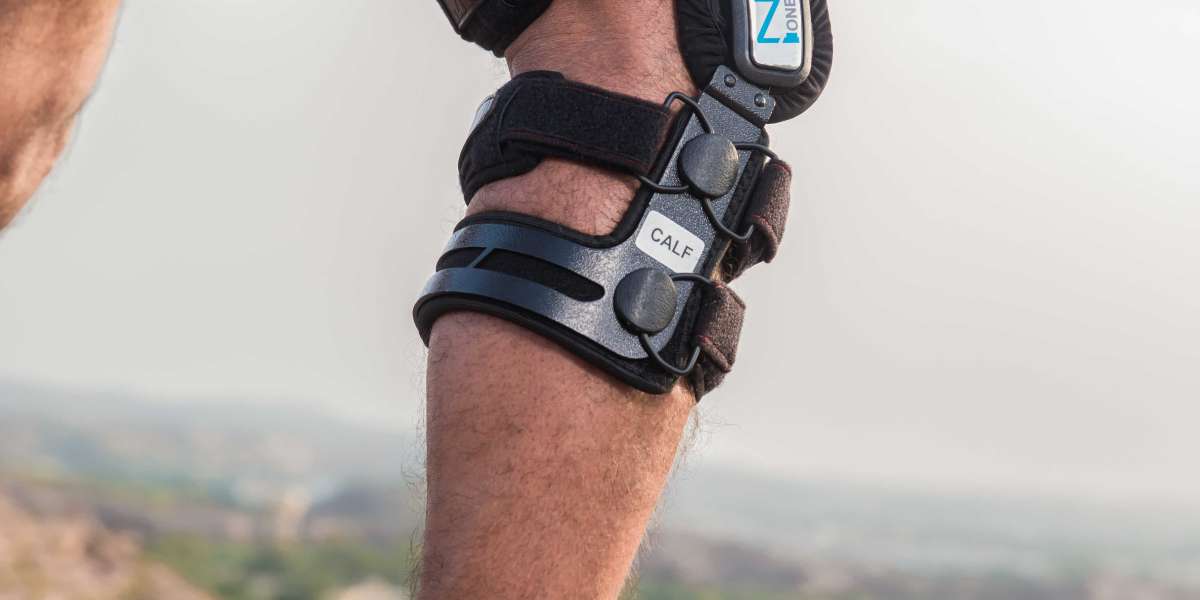
Sports injuries are a common challenge for athletes and fitness enthusiasts alike. Whether you're dealing with a ligament tear, joint instability, or muscle strain, proper support is essential for recovery. This is where sports injury braces come into play. These braces not only help in healing but also prevent further damage, allowing you to return to your activities safely and confidently.
What Are Sports Injury Braces?
Sports injury braces are orthopedic supports designed to stabilize, protect, and assist injured joints or muscles during recovery and physical activity. They are commonly used for injuries involving the knee, ankle, wrist, elbow, and shoulder.
These braces work by limiting harmful movement, reducing stress on injured tissues, and improving alignment during movement.
Types of Sports Injury Braces
1. Knee Braces
Knee braces are among the most widely used supports in sports. They help manage conditions like ACL injuries, ligament tears, and post-surgery recovery.
- Functional knee braces
- Hinged knee braces
- Compression sleeves
2. Ankle Braces
Ideal for strains and instability, ankle braces provide support and prevent excessive twisting.
- Lace-up braces
- Rigid ankle stabilizers
- Elastic ankle sleeves
3. Wrist Braces
Used for conditions like sprains, tendonitis, and carpal stress injuries.
- Wrist wraps
- Splints with metal support
- Compression bands
4. Elbow Braces
Commonly used for tennis elbow or golfer's elbow.
- Strap braces
- Compression sleeves
5. Shoulder Braces
Provide support for dislocations, rotator cuff injuries, and muscle strains.
- Immobilizers
- Posture correction braces
Benefits of Using Sports Injury Braces
1. Injury Prevention
Braces reduce the risk of injuries by stabilizing joints during high-impact activities.
2. Faster Recovery
They support injured areas, allowing tissues to heal without excessive strain.
3. Pain Reduction
Compression and support help minimize swelling and discomfort.
4. Improved Performance
Athletes can perform with more confidence knowing their joints are supported.
5. Post-Surgery Support
Braces are essential during rehabilitation after surgeries like ligament reconstruction.
How to Choose the Right Sports Injury Brace
Choosing the correct brace depends on several factors:
1. Type of Injury
Identify whether it's a ligament tear, strain, or muscle strain.
2. Level of Support Needed
- Mild support: Compression sleeves
- Moderate support: Wraps and straps
- Maximum support: Hinged or rigid braces
3. Fit and Comfort
A well-fitted brace ensures proper support without restricting blood flow.
4. Material Quality
Look for breathable, durable, and skin-friendly materials.
5. Activity Level
Athletes involved in high-impact sports may require stronger, more durable braces.
When Should You Use a Sports Injury Brace?
- During recovery from an injury
- While returning to sports after rehabilitation
- For chronic joint instability
- As a preventive measure in high-risk sports
Tips for Using Sports Braces Effectively
- Always wear the correct size
- Do not overtighten the brace
- Clean it regularly to avoid skin irritation
- Follow medical advice for long-term use
- Combine with physiotherapy for best results
Conclusion
Sports injury braces are a vital tool for both recovery and prevention. Whether you're a professional athlete or a fitness beginner, the right brace can make a significant difference in your performance and safety. By choosing the appropriate type and using it correctly, you can protect your body and stay active without unnecessary risks.

