
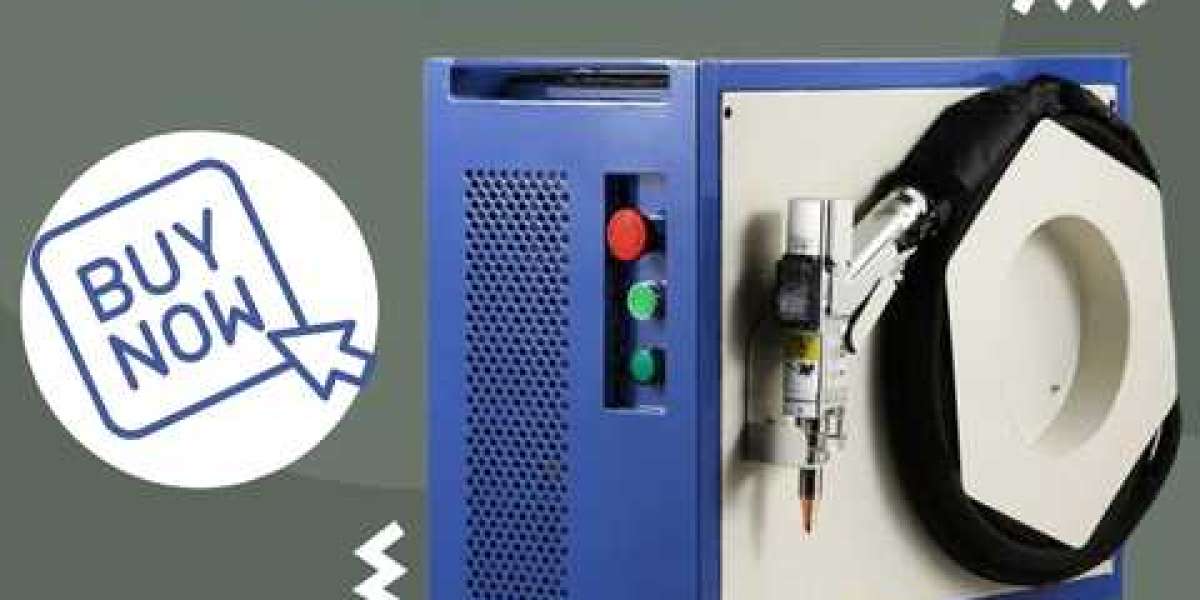
Rust is one of the most common problems affecting metal components, machinery, tools, automotive parts, industrial equipment, and structural surfaces. Traditional rust removal methods often involve grinding, sanding, chemical treatment, or abrasive blasting. While these techniques can be useful, they may create dust, consume considerable materials, or affect the original surface of the metal.
A laser rust removal machine provides a modern approach to removing rust and unwanted oxidation from metal surfaces. By using concentrated laser energy, the machine can target rust and contaminants while keeping the underlying material largely unaffected when the correct settings are applied. This technology is increasingly being used in workshops, manufacturing facilities, maintenance departments, automotive applications, and metal restoration projects.
What Is a Laser Rust Removal Machine?
A laser rust removal machine is industrial cleaning equipment designed to remove rust, oxidation, paint residues, oil, dirt, and other unwanted materials from metal surfaces. It uses a high-energy laser beam directed toward the contaminated area.
When the laser interacts with the rust layer, the absorbed energy causes the unwanted material to detach from the surface. The process can be controlled by adjusting parameters such as laser power, scanning speed, frequency, and beam movement according to the material and contamination being treated.
Modern systems are available in different configurations, including handheld machines that allow operators to move the laser cleaning head across large or irregular components.
How Does Laser Rust Removal Work?
The cleaning process begins by directing the laser beam toward the rusted surface. Rust and other contaminants generally respond differently to laser energy than the underlying metal.
As the laser moves across the surface, its energy interacts with the oxidation layer. The rust absorbs sufficient energy to break away from the surface, while carefully selected operating parameters help minimize unwanted effects on the base material.
The operator can control the cleaning path using the laser head. Depending on the machine and application, scanning patterns can be adjusted to cover the required area efficiently.
This controlled process makes laser cleaning suitable for both localized rust removal and larger industrial cleaning applications.
Why Rust Removal Is Important for Metal Equipment
Rust does more than change the appearance of metal. Continued oxidation can gradually affect the condition and usability of components. Rust can develop on machinery, tools, molds, automotive parts, pipes, metal frames, and industrial equipment, particularly when surfaces are exposed to moisture and harsh environments.
Removing rust at the appropriate time helps prepare metal surfaces for further work. After cleaning, a component may be ready for inspection, welding, painting, coating, polishing, or restoration.
For industrial maintenance teams, consistent surface preparation is an important part of keeping equipment ready for production and repair operations.
Applications Across Different Industries
A laser rust removal machine can be used in many industries because rust appears on a wide variety of metal components.
Automotive Industry
Automotive workshops can use laser cleaning for components affected by rust and oxidation. Brake components, engine parts, tools, molds, metal frames, and other parts may require surface preparation before repair or refinishing.
Laser cleaning can also be useful when working with valuable components where controlled treatment is important.
Manufacturing
Manufacturing facilities frequently deal with metal parts that require cleaning before additional production processes. Rust, oxidation, oil, and surface contamination can interfere with coating, welding, or finishing.
Laser cleaning provides a precise method for preparing selected areas without relying entirely on abrasive materials.
Machinery Maintenance
Industrial machines can accumulate rust during storage, transportation, or periods of limited operation. Cleaning equipment before maintenance or refurbishment can help technicians inspect the actual condition of metal surfaces.
Portable laser cleaning systems can be particularly practical when components are too large or difficult to move.
Metal Restoration
Restoration specialists often work with old machinery, tools, metal structures, and historical components. A controlled cleaning process can help remove unwanted oxidation while preserving the appearance and structure of the original metal.
The operator must select suitable laser parameters according to the condition and type of material being treated.
Handheld Laser Rust Removal
Handheld systems have become increasingly popular for workshops and maintenance applications because the operator can move the cleaning head directly across the target surface.
A handheld laser rust removal setup generally consists of a laser source, cleaning head, control system, cables, and supporting equipment. Depending on the model, different power levels may be available for light cleaning, medium contamination, or heavier industrial applications.
The operator can guide the beam over corners, edges, flat sections, and other areas that require attention.
Choosing the Right Laser Power
Laser power should be selected according to the application rather than simply choosing the highest available specification.
Light rust and surface oxidation may require a different operating range from thick rust, industrial contamination, or heavily corroded components. The type and thickness of the base material also need to be considered.
Before purchasing a machine, users should evaluate the typical materials they clean, the thickness of contamination, the size of their workpieces, and the expected cleaning frequency.
Manufacturers and professional suppliers can also provide guidance regarding suitable configurations for specific applications.
Laser Cleaning Before Painting and Coating
Proper surface preparation is essential before applying paint or protective coatings. Remaining rust, oil, and contamination can reduce adhesion and affect the final finish.
A laser rust removal machine can be used to clean selected areas before painting or coating. By removing unwanted oxidation and surface contaminants, the operator can create a cleaner substrate for subsequent processes.
For professional workshops, integrating laser cleaning into surface preparation can create a more consistent workflow.
Laser Rust Removal for Welding Preparation
Clean metal is important when preparing surfaces for welding. Rust, dirt, paint, and other contaminants can interfere with the welding process and affect the quality of the finished joint.
Laser cleaning can be used to prepare welding areas before joining metal components. The operator can concentrate cleaning on the required sections, helping prepare the surface without applying abrasive treatment to the entire component.
This can be useful in fabrication workshops, repair facilities, and industrial maintenance environments.
Operating a Laser Cleaning Machine Safely
Laser cleaning equipment should always be operated according to the manufacturer's instructions. Industrial laser systems can produce powerful laser radiation, so appropriate safety procedures are essential.
Operators should use suitable laser safety equipment, establish a controlled working area, and follow the machine's recommended operating procedures. Appropriate protective eyewear should be selected according to the laser wavelength and system requirements.
Ventilation and extraction should also be considered because removing rust, paint, coatings, and other contaminants can release particles or fumes.
Proper training is important before an operator begins working with industrial laser equipment.
Maintaining Your Laser Cleaning Equipment
Regular maintenance helps keep a laser cleaning system operating consistently. Operators should inspect cables, cleaning heads, lenses, cooling systems, and other components according to the manufacturer's maintenance schedule.
The working environment should also be kept clean because excessive dust and contamination can affect equipment performance.
Following recommended maintenance procedures can help reduce unexpected downtime and support reliable operation over the working life of the machine.
Selecting a Supplier
When purchasing a laser rust removal machine, buyers should consider more than the initial machine specification. Technical support, warranty coverage, spare parts availability, training, and after-sales service can all be important for long-term operation.
A reliable supplier should be able to explain the machine's operating requirements and provide information about suitable applications.
Businesses should also consider whether they need a compact handheld system for maintenance work or a larger configuration for regular industrial production.
The Future of Laser Rust Cleaning
Laser cleaning technology continues to attract attention as manufacturers and maintenance professionals look for more controlled methods of surface preparation. As laser systems become easier to operate and more widely available, their applications are expanding beyond basic rust removal.
Modern laser cleaning equipment can be configured for different industrial requirements, allowing businesses to integrate surface cleaning into repair, restoration, fabrication, and manufacturing workflows.
Final Thoughts
A laser rust removal machine offers a precise and modern approach to cleaning rust and oxidation from metal surfaces. From automotive workshops and manufacturing facilities to machinery maintenance and restoration projects, laser cleaning can be adapted to many applications.

