
Losing a tooth can affect more than just your smile. It may make chewing uncomfortable, affect the way you speak, or make you feel less confident. Dental implants are one option that can help replace missing teeth with a stable, natural-looking restoration.
If you are researching dental implant cost in Mumbai, you may find that prices vary considerably from one patient to another. This is because the total cost depends on several factors, including the number of implants required, the type of restoration, the condition of your gums and jawbone, and any additional dental procedures needed.
This guide explains what dental implants are, how the procedure works, what can affect the cost of single and multiple implants, and what you can expect during treatment.
What Are Dental Implants?
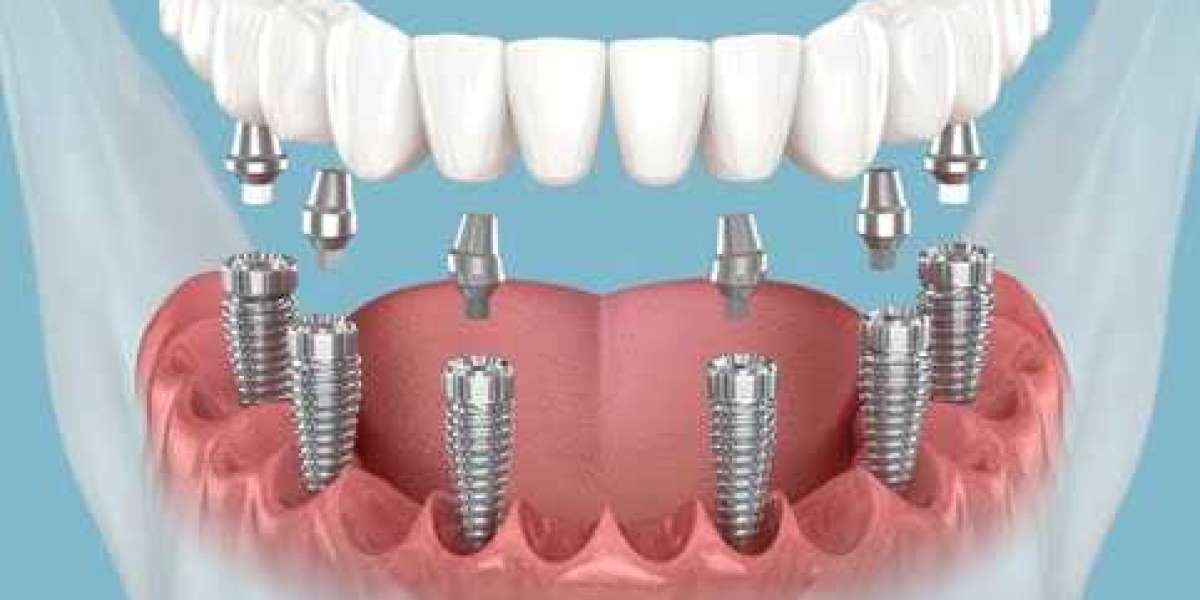
A dental implant is a small, screw-shaped component placed into the jawbone to replace the root of a missing tooth. Once the implant has healed and become stable, a dental crown is attached to it to replace the visible part of the tooth.
A typical implant treatment has three main components:
- Implant: The part placed into the jawbone.
- Abutment: A connector between the implant and crown.
- Dental crown: The visible tooth-shaped restoration.
Dental implants can be used to replace one missing tooth or several missing teeth, depending on the patient's dental condition and treatment plan.
Dental Implant Cost in Mumbai: What Determines the Price?
There is no single fixed price for dental implants because every treatment plan is different. The total dental implant cost in Mumbai can depend on:
1. Number of Implants Required
Replacing one missing tooth generally requires a different treatment plan from replacing several missing teeth. Multiple implants may involve additional planning, components, and restorations.
2. Type of Implant and Crown
Different implant systems and crown materials are available. Your dentist may recommend an option based on your oral health, functional needs, and treatment requirements.
3. Condition of the Jawbone
The implant needs adequate bone support. If there has been significant bone loss, additional treatment may sometimes be recommended before implant placement. This can increase the overall treatment cost.
4. Gum and Oral Health
Existing gum problems, infection, or other dental issues may need to be addressed before an implant is placed.
5. Diagnostic Tests and Treatment Planning
Your dentist may recommend dental examinations and imaging to assess the teeth, gums, and jawbone before treatment. These assessments help determine whether implants are suitable and how they should be planned.
6. Number and Type of Dental Crowns
For multiple missing teeth, the final restoration may involve several individual crowns or another suitable restoration. The number and type of restorations can influence the overall cost.
Because these factors differ from person to person, it is better to get an examination and personalised treatment estimate rather than relying only on an online price.
Single vs Multiple Dental Implants
Single Dental Implant
A single implant is generally considered when one tooth is missing and the surrounding oral conditions allow implant treatment.
The general process involves:
- Dental examination and treatment planning.
- Assessment of the jawbone and surrounding teeth.
- Placement of the implant.
- Healing period to allow the implant to become stable.
- Placement of the abutment and dental crown.
The exact timeline depends on the patient's oral health and treatment plan.
Multiple Dental Implants
Multiple implants may be considered when several teeth are missing. The treatment approach depends on the number and location of missing teeth, available bone support, gum health, and the type of restoration planned.
The dentist may first assess whether each proposed implant site has adequate support and whether any preliminary dental treatment is required.
How Does the Dental Implant Procedure Work?
Dental implant treatment usually takes place over multiple stages rather than being completed in a single visit.
Step 1: Consultation and Evaluation
The dentist examines your mouth and discusses your dental history and treatment goals. Imaging may be recommended to assess the jawbone and implant area.
Step 2: Implant Placement
The implant is placed into the jawbone. Local anaesthesia is generally used during the procedure to keep the area comfortable.
Step 3: Healing
The implant needs time to heal and become stable in the jawbone. The healing period varies depending on the individual and the treatment performed.
Step 4: Crown Placement
Once the implant is ready for restoration, an abutment and dental crown are placed to complete the replacement tooth.
Benefits of Dental Implants
Depending on individual suitability, dental implants may offer several benefits:
- Replace missing teeth with a fixed restoration.
- Support comfortable chewing.
- Help restore the appearance of a missing tooth.
- Avoid relying on a removable denture for the replaced tooth.
- Can be used for both single and multiple missing teeth.
Your dentist can explain whether implants are appropriate for your particular situation.
What Should You Do Before Dental Implant Treatment?
Before treatment, your dentist may recommend:
- A complete dental examination.
- Dental imaging when required.
- Treatment of existing gum or dental problems.
- Discussion of your medical and dental history.
- A detailed treatment plan and cost estimate.
Follow the instructions provided by your dental professional, particularly if additional procedures are planned.
Aftercare Following Dental Implant Placement
Good oral care is important after implant treatment. Your dentist will provide specific instructions based on the procedure.
These may include:
- Keeping the treatment area clean as advised.
- Following recommended oral hygiene practices.
- Taking prescribed medicines according to instructions, if applicable.
- Avoiding foods or activities restricted by your dentist during the initial healing period.
- Attending follow-up appointments.
Contact your dentist if you experience unusual or persistent symptoms after treatment.
When Should You Consult a Dentist?
Consider discussing dental implants with a qualified dentist if you have:
- One or more missing teeth.
- Difficulty chewing because of missing teeth.
- A damaged tooth that may need replacement.
- A removable dental prosthesis that you find difficult to manage.
- Concerns about replacing missing teeth with a fixed option.
A dental examination is necessary to determine whether implants are suitable and what treatment may be required.
Why Choose Diagnopein?
Diagnopein provides dental care services and offers dental implant treatment. The business also provides a dental implant offer of ₹9,999, along with a free checkup and X-ray, as provided by the business. Patients should confirm the current offer, treatment inclusions, and final treatment cost during consultation, as the total cost can vary depending on individual requirements.
Frequently Asked Questions
1. What is the dental implant cost in Mumbai?
There is no universal cost for dental implants. The final price depends on factors such as the number of implants, implant and crown selection, jawbone condition, gum health, and any additional treatment required. A dental consultation provides a more accurate estimate.
2. How much does a single dental implant cost?
The cost of a single implant depends on the implant system, crown, diagnostic evaluation, and whether additional procedures are required. Ask your dentist for a complete treatment estimate covering all necessary components.
3. Is the cost different for multiple dental implants?
Yes. Multiple implants generally involve a different treatment plan from a single implant. The total cost depends on the number of missing teeth, number of implants required, type of restoration, and other treatment needs.
4. How long does dental implant treatment take?
Implant treatment is usually completed in stages. The overall timeline can vary depending on healing, bone and gum health, and whether additional procedures are required.
5. Are dental implants suitable for everyone?
Not necessarily. Suitability depends on factors such as oral health, gum condition, jawbone support, overall health, and the specific location of the missing tooth or teeth. A qualified dentist can evaluate your situation and explain the available options.

