
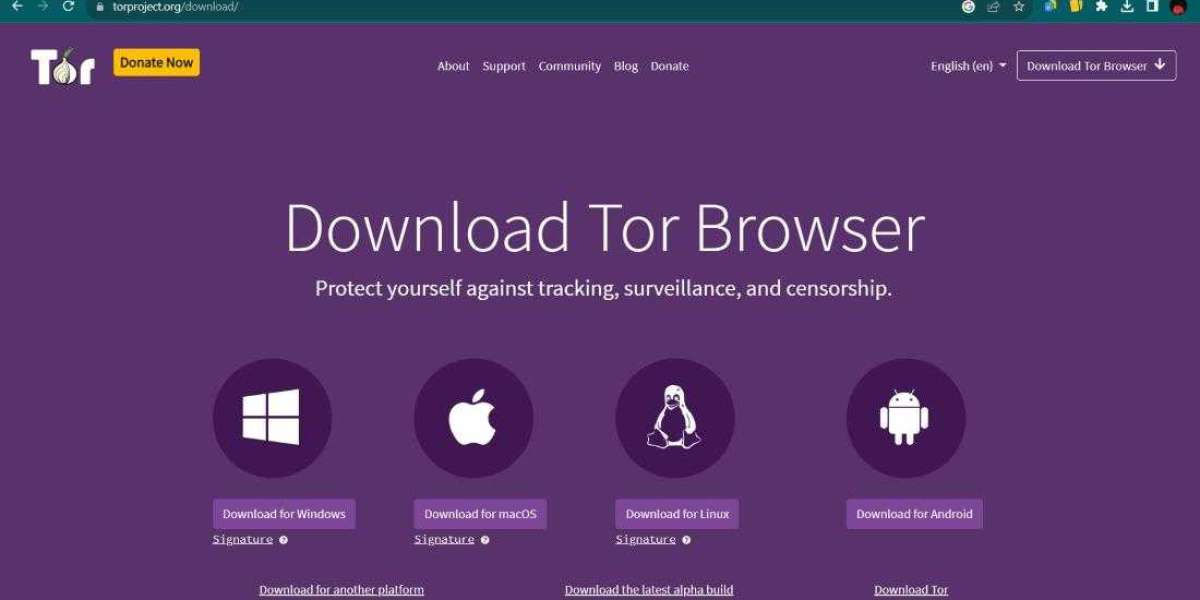
Every time you open a website or download a file, a silent conversation happens between your device and a server to prove that the data you see is genuine. You might not notice it but digital signatures are the invisible backbone of the modern internet. Without these mathematical proofs, it would be nearly impossible to distinguish a legitimate service from a malicious clone designed to steal your information.
Think of a digital signature as a high tech wax seal - In the physical world, a seal on an envelope shows that the letter comes from the person who claims to have sent it and that no one opened it during delivery. In the digital world, these signatures use complex math to achieve the same result. They ensure that the software or website you are interacting with is exactly what it claims to be, protecting you from tampering.
How Digital Signatures Create Trust
Digital signatures rely on a system called public key cryptography - this involves two different keys - a private one that stays with the owner and a public one that anyone can use. When a service provider signs a piece of data, they use their private key. Your browser or application then uses the public key to check that the signature is valid - this process is nearly impossible to fake because the math behind it is incredibly strong.
This system provides three main benefits to you as a user
- Authentication
You know exactly who sent the message or who owns the service. - Integrity
You have proof that the data has not been changed since the owner signed it. - Non-repudiation
The sender cannot later claim they did not send the information.
When the three factors are present, you can browse with more confidence. Many modern web browsers show a small padlock icon to indicate that the site has a valid certificate and signature - this is your first line of defense against many common online threats.
The Process of Verifying Online Services
The verification process starts when your computer requests a "handshake" with a server. The server sends back a digital certificate, which contains its public key and a signature from a trusted third party - these third parties are known as Certificate Authorities. They are organizations that verify the identity of website owners before issuing a signature, acting as a middleman that both you and the website trust.
If the signature matches and the certificate is current, your browser establishes a secure connection. If there is a mismatch, you usually see a bright red warning screen telling you the connection is not private. You should take these warnings seriously, as they often mean someone is trying to intercept your data or that the service is no longer maintaining its security standards.
Why Cryptographic Proof Matters for Privacy
Privacy is a growing concern for everyone to this day - As more of our personal lives move online, the risk of data leaks or impersonation grows. Digital signatures help mitigate these risks - making sure that your data only goes to the intended recipient - this is especially important for services that handle sensitive financial information or private communications.
In environments where anonymity is a priority, the signatures are even more vital. Because users cannot rely on traditional reputations, they must rely on math. Many people who value their digital footprint look for a deeper explanation of anonymous browsing and how signatures maintain safety in hidden networks. Without these tools, navigating the more private corners of the web would be a gamble every time you clicked a link.
Navigating Complex Networks Securely
Using the internet safely requires a mix of good tools and healthy skepticism. Even with digital signatures, you must be careful about which services you trust. Some platforms might have valid signatures but host content that is not safe or reliable. It is always wise to use trusted directories and reviews to verify the reputation of a service before you enter any personal details.
For those exploring specific types of online markets or specialized services, verification becomes a manual task. You might find yourself checking
- The validity of the PGP (Pretty Good Privacy) signature on a site's homepage.
- Community feedback on the uptime and reliability of the service.
- Official mirrors or alternative links provided by the service itself.
As an example, if you are looking at specific marketplaces, you might check a background on privacy tools or market reviews to ensure the platform is still active and hasn't been compromised - this extra layer of manual verification, combined with automatic digital signatures, creates a much safer experience.
The Evolution of Digital Authenticity
Technology never stops moving and the ways we verify services are changing. New methods like blockchain based identity and decentralized identifiers are beginning to emerge - these systems aim to remove the need for a central Certificate Authority, putting more control back into the hands of individual users and service providers - this could make the internet even more resilient against censorship and single points of failure.
As these technologies mature, staying informed is your best defense. If you are browsing the standard web or looking into more secure internet navigation concepts, understanding how signatures protect you is essential. The more you know about how trust is built online, the better you can protect your data and your identity in an increasingly digital world.
FAQ
What happens if a digital signature expires?
When a signature or its underlying certificate expires, your browser will likely block the site or show a warning - this happens because the "trust" has a time limit to ensure the owner still maintains control over the service. It is usually best to avoid the sites until the owner updates their credentials.
Can digital signatures be forged?
Technically, it is extremely difficult to forge a modern digital signature because it would require a massive amount of computing power. Hackers often try to steal the private key instead. If the key is stolen, they can sign things as if they were the real owner - this is why keeping keys secure is the most important part of the system.
Are digital signatures and electronic signatures the same?
No, they are different - An electronic signature is often just an image of your handwritten signature or a "click to agree" button. A digital signature is a specific cryptographic method that proves the authenticity of a document or connection through math. Digital signatures are much more secure and harder to fake than simple electronic ones.
How do I know if a service is verified?
Look for the padlock icon in your browser's address bar - You can click on that icon to see who issued the certificate and check if the signature is valid. For software, your operating system will usually tell you if the developer is "verified" or "unknown" when you try to install a new program.


